- Lecturer: Gerald Cloete
Category: Hospitality and Tourism

Human Resource Management comprises a range of functions and functional activities that are carried out in order to, among other things, provide, utilise, remunerate, train, develop and maintain a motivated work force. It can, therefore, be described as a process embracing the dimensions of inception (getting individuals into the public sector); development (preparing employees to work effectively and efficiently); motivation (stimulating employees by caring for their needs) and maintenance (keeping employees in the public sector by providing suitable working conditions).
As you would imagine, the focus will mainly be on the African Public Service. You should thus strive to develop a genuine interest in the activities carried out by public sector institutions. This would provide you with an opportunity to evaluate human resource issues on a regular basis in this sector. You are, therefore, urged to apply practical examples in your approach to this subject.
This course aims to equip students with the necessary knowledge, cognitive and psychomotor skills required to manage critically ill or injured patients of all age groups during Interfacility Transport/Critical Care Transport, which include encounters in both the out of hospital road and aeromedical environment.

This course aims to equip students with the necessary knowledge, cognitive and psychomotor skills required to manage critically ill or injured patients of all age groups during Interfacility Transport/Critical Care Transport, which include encounters in both the out of hospital road and aeromedical environment.
International Economics is sub-divided into two major areas, namely, International trade and International Finance, sometimes called international monetary economics. This course focus on International Finance. In the study of International Finance we address the issues such as: What is meant by a country balance of payments? How are exchange rates determined? Why does financial capital flow rapidly and sizably across international frontier? What role do international financial institutions play in the global economy?
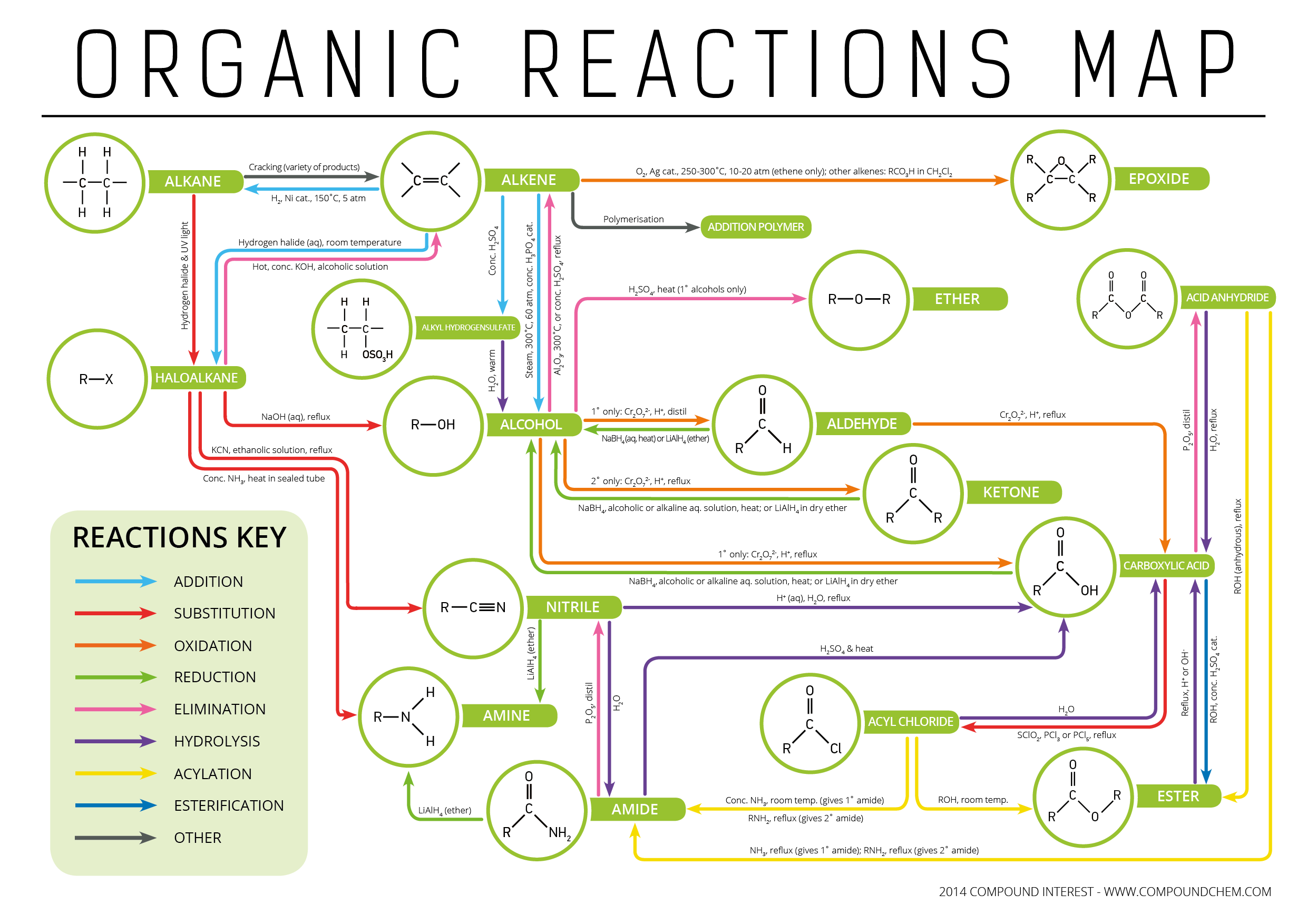
This course aims to enable students to demonstrate a deepened understanding of the application of organic chemistry in the industry. Organic compounds of industrial and commercial importance will be discussed, including their production and environmental impact, use, and the scaling of organic reactions.
Upon completing this course students will, through assessment activities, show evidence of their ability to:
1. Elucidate the mechanisms of major industrial organic reactions;
2. Formulate reaction conditions for the industrial synthesis and transformation of organic compounds, intermediates and fine chemicals;
3. Evaluate the chemistry, use, environmental and economic impact of the basic building block chemicals derived from natural gas, petroleum and non-petroleum sources
4. Evaluate the chemistry, use, environmental and economic impact of polymers derived from ethylene, propylene, butadiene, isobutene
5. Describe the use of catalysts in industrial organic chemistry
6. Discuss concepts of green chemistry and sustainability in the chemical industry
7. Retrieve relevant information in scientific literature and demonstrate effective report writing, experimental design and data analysis.
This is an individual assessment. Upload your work on the link provided. Make sure that your file is a pdf file when you upload
This course provides instruction and practice in writing for the mass communication media with an emphasis on the development of the journalistic style. Students will learn the fundamentals of generating ideas for news writing, research, writing style and grammar, and the basics of on-line journalism and research. Through a variety of writing tasks, the course will equip students with language and writing skills, which will enable them to function effectively in the communication environment.
Good day IRF-students. If you want to do self-enrolment and enroll yourself to this course the enrolment key is irf620 Consult the announcement box regularly. Regards N Korrubel (nkorrubel@nust.na)
This course explores the effective integration of technology into teaching and learning environments. It introduces students to key concepts, tools, and strategies in educational technology, including digital learning platforms, multimedia resources, interactive tools, and emerging trends such as artificial intelligence and virtual reality in education. Students will critically evaluate and apply technological solutions to enhance instructional design, learner engagement, and assessment in both traditional and online learning settings.
The course aims at equipping the students with in-depth knowledge about the instrument for operation, characterisation and analysis and their applications in everyday life. This course further help the student in current -day technology, industry, and research
By the end of this course of study, you should be able to.
Develop and maintain useful engineering skills while still retaining an active grasp of the relevant physics

The aim of the course is to equip students with the skills and knowledge required to work in a hospitality establishment's food preparation areas. Students should be able to develop advanced practical and reflective competence for the department of Food and beverage and Food production
The course is designed to provide students with an overview of the operation, administration, and challenges of contemporary correctional systems, from earliest historical developments to current institutional practices and community-based alternatives. The course also focuses on both offenders and staff, along with such issues as special needs populations, legal liability, institutional crowding, the privatisation of correctional operations, public health concerns, evidence-based practices, and the effects of institutional life and transition from prison to the community.
Introduction to Criminal Justice Studies is a foundational course in your studies of Criminal Justice and should assist you as a first-year student to conceptualise and contextualise the various components of the Criminal Justice System. The literature used in the course is mostly imported, while the course will be delivered with an emphasis on the Namibian Criminal Justice system. It provides an examination of the Namibian system of Criminal Justice, its agencies, and the processes that constitute it. The course content therefore focuses on the various functions of its sub-systems, i.e., Police, Prosecution, Judiciary, and Corrections, against the backdrop of the various approaches to explaining "crime.”

In the discipline of human resource management, training and development is the field concerned with organisational activity aimed at improving the performance of individuals and groups in organisational settings. Education, training, and development have been referred to as employee development, human resource development, and learning and development. Employee education, training, and development at the right time, ensure big payoffs for the employer in the form of increased productivity, knowledge, loyalty, and employee contributions.
People are the most important treasure in any organisation. How we lead, motivate, train and develop employees is of utmost importance. To remain competitive, organisations need to have well motivated and highly performing employees. This can be achieved by training and developing employees.
This course exposes you to how to manage training in organisations, the factors that affect training environments, and how to determine training needs.
Enjoy the course. Remember: What we learn with joy, we never forget.
Have a great time throughout the semester.
In Introduction to Geospatial Data emphasis is placed on learning the basics of different data models, various co-ordinate systems as well as the basics of aerial photography and GPS (Global Positioning System). The enrollment key is IGD411S
This course equips students with fundamental knowledge of Industry 4.0, emerging technologies, organisational transformation benefits, and its impact on modern societies. It covers key subject areas of (1) History and evolution of Industry 4.0, (2) Transformative and potential benefits of Industry 4.0, (3) Key emerging technologies in Industry 4.0, and (4). Strategic, tactical, and operational transformation in Industry 4.0