- Lecturer: Elifas Ngonga
NUST eLearning
Search results: 943
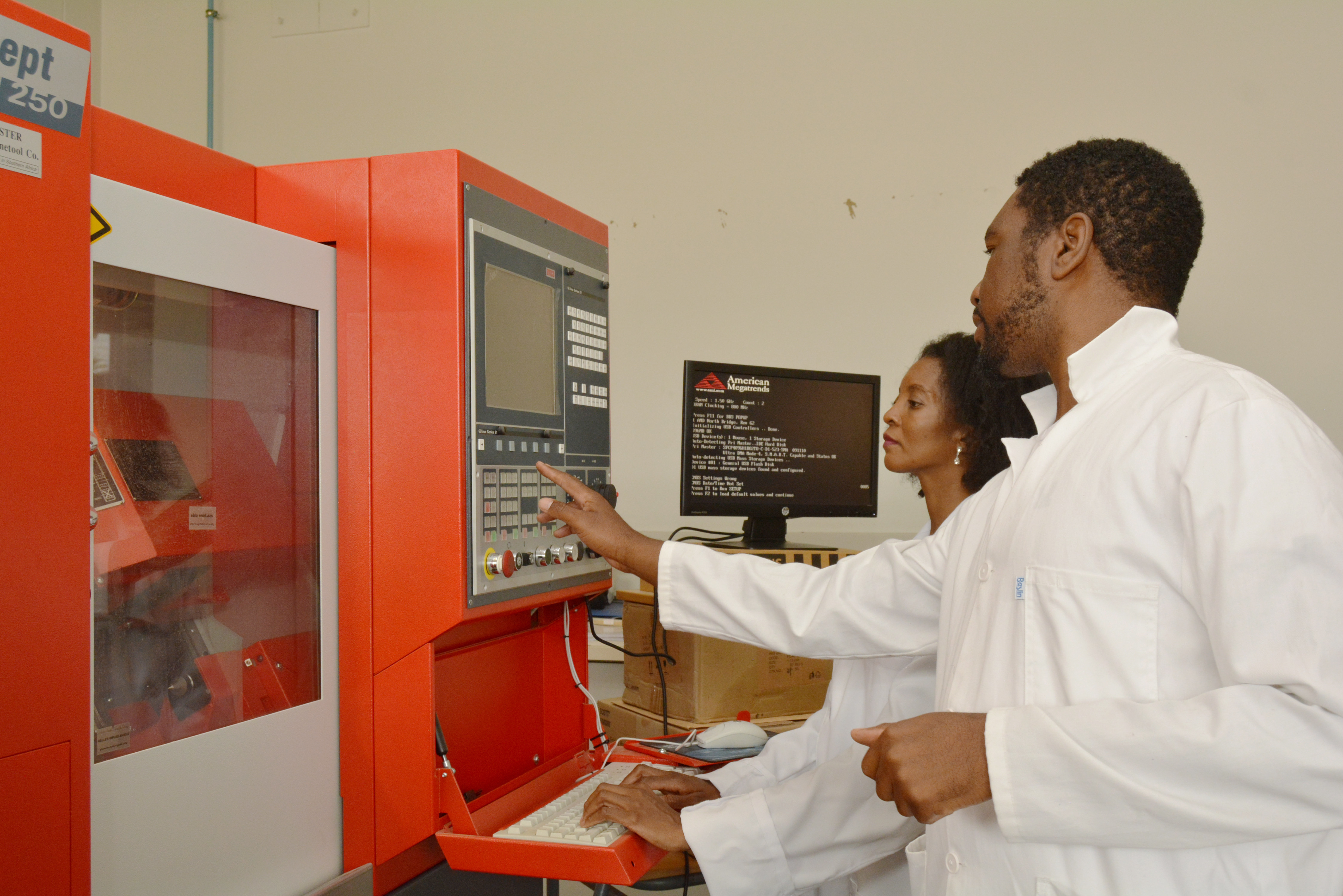
The course, Electrical Machines 214, introduces students to the fundamentals of electrical machines, i.e., the construction, operation and applications of electrical machines.
The course aims at equipping the students with the necessary skills required to carry out the basic analysis of electrical machines and electrical machine systems. The course also provides the necessary theory of electro-mechanical energy conversion principles required to understand the construction, operation and control of electrical machines and machine systems.
- Lecturer: Kalaluka Kanyimba
Electrical Machines 314_Semester 5 Course
- Lecturer: Hilde Amushembe
- Lecturer: Dr Anunciya Joshua
- Lecturer: Pedro Tjakwanda
- Lecturer: Markus Hitila
Category: SCHOOL OF NATURAL AND APPLIED SCIENCES

This course forms the core of the Programme of Emergency Medical Care together with Clinical Practice. The course is divided into theory and practicum components. The practicum comprises Simulated Patient Assessment and Management & Simulated Clinical Skills and Objective Structured Clinical Evaluation (OSCE). This course will provide you with the necessary learning resources to acquire the knowledge, practical skills, and critical thinking relating to the pre-hospital emergency medical care of patients. At this level, you are introduced to most medical and trauma concepts laying the foundations for further learning in the coming years of study.
- Lecturer: Charmaine Conradie

This course forms the core of the Programme of Emergency Medical Care together with Clinical Practice. The course is divided into theory and practicum components. The practicum comprises Simulated Patient Assessment and Management & Simulated Clinical Skills and Objective Structured Clinical Evaluation (OSCE). This course will provide you with the necessary learning resources to acquire the knowledge, practical skills, and critical thinking relating to the pre-hospital emergency medical care of patients. At this level, you are introduced to special population patients and more invasive medical and trauma concepts laying the foundations for further learning in the coming years of study.
- Lecturer: Salome Veldskoen
The course aims to equip students with the cognitive and psychomotor skills of the advanced life support paramedic and enable the student to rapidly, efficiently and safely assess, diagnose and manage the critically ill or injured patient up to the advanced life support scope of practice. The course further aims to prepare students to enter industry and take up supervisory/leadership roles in pre-hospital emergency medical services.
- Lecturer: Dillon Fredericks
- Lecturer: Naftali Indongo
Category: Software Engineering_S1_2026
- Lecturer: Naftali Indongo
Category: Faculty of Computing and Informatics
- Lecturer: Naftali Indongo
- Lecturer: Prof Heike Winschiers-Theophilus
Category: Software Engineering_S1_2026
This programme has been designed for Work Integrated Learning eligible students to enhance their soft skills and offered through the Cooperative Education Unit.
- Lecturer: Jordaania Kondjeni Andima
- Lecturer: Petrina Batholmeus
- Lecturer: Patemoshela Erkie
- Lecturer: Elaine January-Enkali
- Lecturer: Brenda Kahuikee
- Lecturer: Roxanne Murangi
- Lecturer: Ndapewa Nangombe
- Lecturer: Mwetuvaya Nghiiki
- Lecturer: Amanda Schroeder
Category: Cooperative Education
- Lecturer: Prof Sylvanus Onjefu
Please enter course description here...
- Lecturer: Martha Iipinge
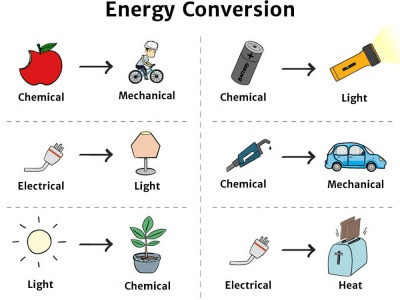
This course aims to set a foundation for the entire MSES programme by providing conceptual and practical knowledge on both renewable and non-renewable energy systems for exploitation through appropriate technologies. Starting from a discussion of the importance of energy and the fundamentals of energy sources (renewable and non-renewable), the course explores different types of energy systems, with emphasis on renewable energy in the electricity supply industry, culminating in concepts of demand-side management and energy efficiency.
LEARNING OUTCOMES:
Upon successful completion of the course, students will, through assessment activities, show evidence of their ability to:
· Describe relationships between Energy Systems and the Sustainable Development Goals
· Discuss the fundamental features of energy sources (both renewable and non-renewable) and their associated environmental impacts.
· Describe the Namibian electrical power system and the role of renewable energy technologies in resolving the World Energy Council’s energy trilemma.
· Assessment techniques for renewable energy resources.
· Explain the concepts of power system demand-side management and energy efficiency
- Perform design calculations for selected renewable energy systems.
- Lecturer: Prof James Katende
Category: S1_2026_FEBE_MIEE
- Lecturer: Sipiwe Nyadongo
This is Engineering Mathematics 1 for the first year Bachelor of Technology in Engineering.
- Lecturer: Tobias Kaenandunge
- Lecturer: Frans Ndinodiva
Please enter course description here...
- Lecturer: Lutopu Khoa
- Lecturer: Dr Ilenikemanya Ndadi
- Lecturer: Frans Ndinodiva
- Lecturer: Dr Godwin Ugwunnadi
Please enter course description here...
- Lecturer: Prof Adetayo Samuel Eegunjobi