This course aims to equip the student with the required knowledge of the gross anatomy and physiology of the normal human body and how they are functionally related.
- Lecturer: Joshua Hidinwa
|
|
The course is an introduction to animal (mammalian) structure and function. It focuses on how the form and function of animals enables them to meet their need to survive and reproduce. To do this, animals acquire, process and use energy to cope with challenges in the internal and external environments through a wide variety of physiological, morphological, reproductive and behavioural adaptations Outcomes On completion of this course, students should be able to:
|
|
|
The course is an introduction to animal (mammalian) structure and function. It focuses on how the form and function of animals enables them to meet their need to survive and reproduce. To do this, animals acquire, process and use energy to cope with challenges in the internal and external environments through a wide variety of physiological, morphological, reproductive and behavioural adaptations Outcomes On completion of this course, students should be able to:
|
This course is a broad introduction to this interdisciplinary field based on processes and colloidal phenomena at interfaces, viz. gas-liquid, gas-solid, liquid-liquid, liquid-solid and solid-solid. Taking a genuinely applied approach, with applications drawn from a wide range of industries, we will attempt to meet your demands of working in the field. The course will, therefore introduces you to a wide range of real industrial examples. These examples range from water treatment through to soil management as well as examples taken from the coatings, detergency, ore flotation and photographic industries. To understand the course better, some of the more demanding mathematical derivations will be treated in a more subtle manner. With carefully structured units, starting with an introduction, and practice questions, this course is invaluable for undergraduates like you taking a first course on colloid and surface chemistry.
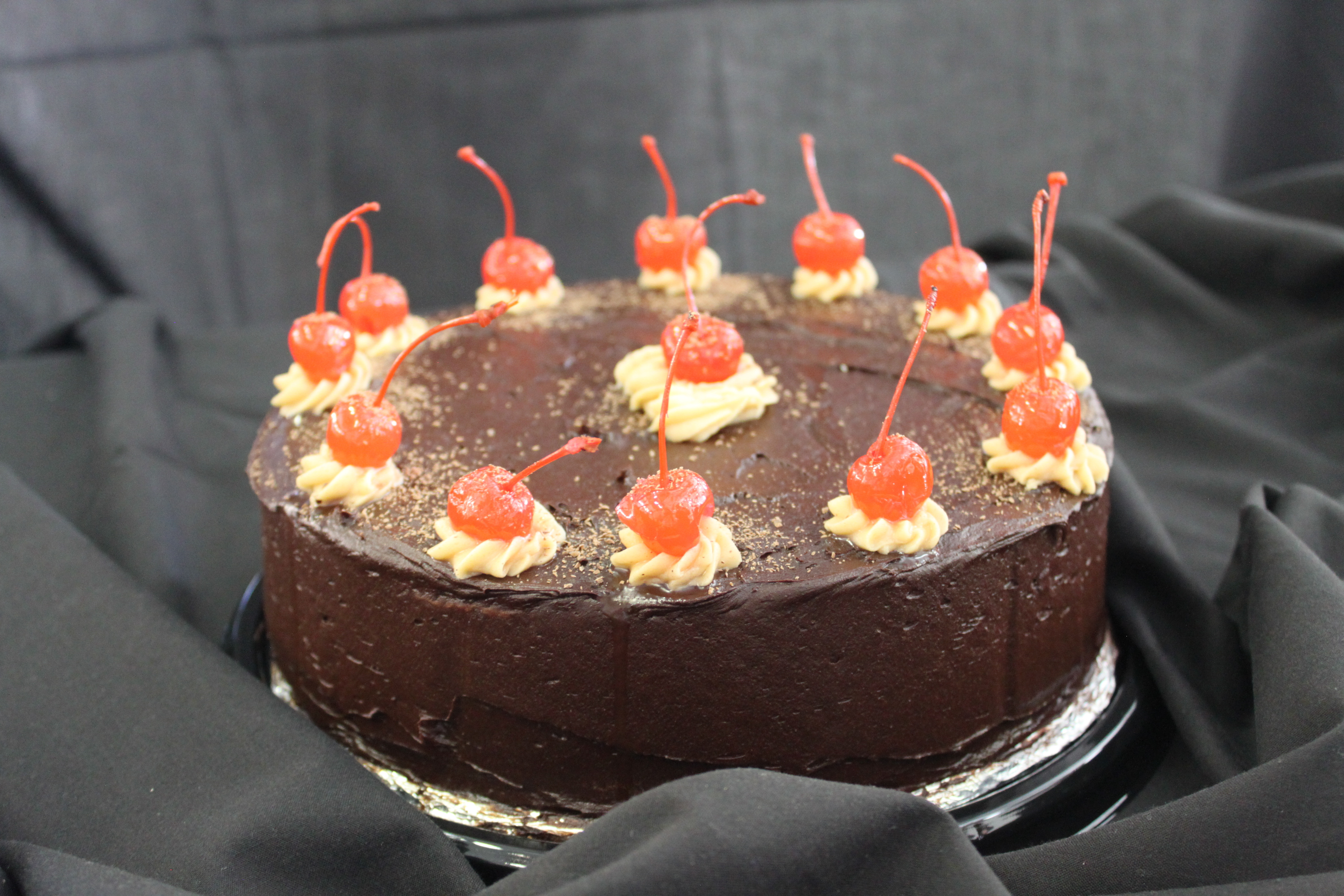
This course is about the fundamentals of pastry, bakery and desserts preparation in a commercial environment. It will expose you to important aspects that you need to know to successfully run a catering outlet in a hospitality establishment.
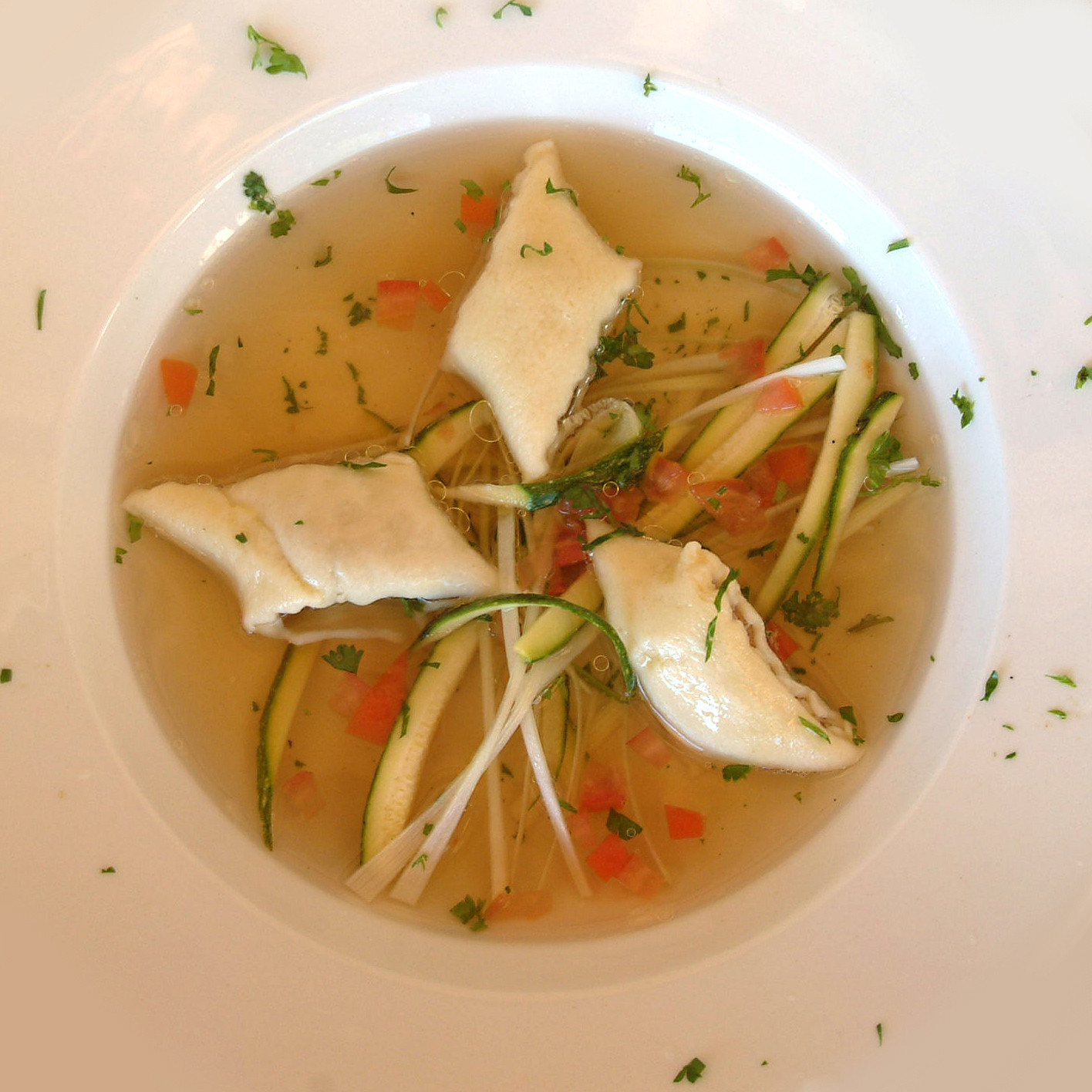
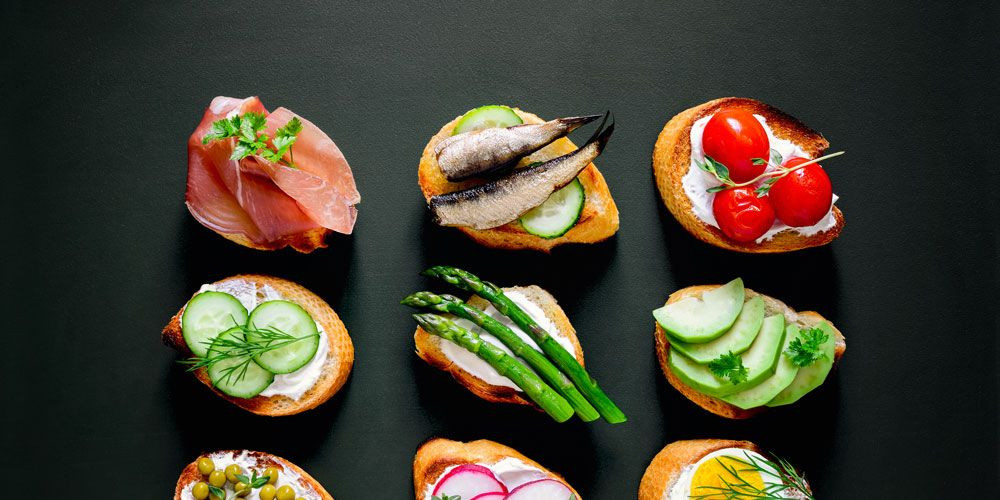
This course introduces students to the practical application of advanced food production in the cold kitchen including butchery.
This course aims to provide students with knowledge and skills to assess the different spatial planning systems and methods currently applied in Namibia on local and regional level. Students will be able to identify both strengths and shortcomings of the present spatial planning practice under consideration of the existing legal and socio-economic framework.

This course aims at equipping students with an advanced understanding of urban ecology and the ability to successfully integrate this into urban and architectural projects ensuring a balanced and sustainable interaction between human land use and natural ecosystems.


This course, Auditing 310 (GAU711S) is designed to give you a comprehensive understanding of the audit process, from obtaining evidence to reporting on financial statements. You will learn the auditor's responsibilities, key audit procedures, and how to evaluate audit evidence, both in manual and computerized environments.
The course covers several key areas, including:
Additionally, the course introduces you to modern developments in the auditing world, such as the use of digital technology and sustainability audits.
Assessments are hands-on, with face-to-face tests to assess your understanding of the material. Overall, this course prepares you for a career in auditing by providing both theoretical knowledge and practical skills needed in the field.
This course aims to provide the necessary background information on those aspects of biology that are common to both plant and animal studies and to cover those biological kingdoms (including viruses) that are neither plant nor animal.
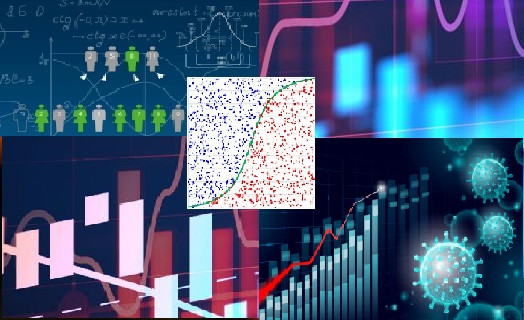
Welcome to the world of Biostatistics. This course will help you understand public health research in terms of research designs, measures of disease risk, statistical modeling with public health data and survival analysis. We introduce to a family of models called GLMs, Generalised Linear Regression models such as logistic and Poisson regression models. Of importance will be the estimation of parameters, making appropriate inferences on these parameters and the explanatory variables. Model diagnostics will be delt with in detail to enable you to assess the goodness of fit of your models before you publish results that are based on these models. Hope you will enjoy the course!!!
This course aims to introduce students to broadcast news writing techniques and to enable them to operate basic audio-visual equipment as well as conducting on-camera interviews. In addition, students will learn about appropriate conduct on-camera/radio.

This course aims to introduce you to various technologies that impact the accounting profession. You will be equipped with basic knowledge on how to utilize technology as an enabler to make the job of a chartered accountant easier. You will be exposes to use financial modelling, the basics of programming and coding for business analytics and visualization, as well as analysis and visualizations in Excel and Power BI.