This is a Postgraduate Supervision Portal
- Lecturer: Dr Nega Chere
- Lecturer: Kornelia David
- Lecturer: Prof Adetayo Samuel Eegunjobi
- Lecturer: Ilenikemanya Ndadi
- Lecturer: Prof Serge Neossi-Nguetchue
- Lecturer: Prof Sunday A. Reju
This is a Postgraduate Supervision Portal

|
Lectuter Dr Edgar Mowa |
Plant protection (PPN 601S) This course aims to provide students with knowledge and basic understanding of weeds, plant pests, diseases and disorders including methods of prevention and control including principles of Integrated Pest Management (IPM), pests control. Examples of current pest problems in different crops will be discussed. This lecture provides students with principles and best practices of crop protection, decision making process based on the ecosystem analysis, and selection of the technology that can be applied in the field. Lectures are divided into three main parts. First part discusses the definition and historical perpectives of plant protection and classification of harmful organisms; the second part deals with methods to recognize the type of pests and plant diseases, methods of observations in the field, and ecosystem analysis as the base for selecting technology; and the last part discusses the principle of Integrated Pest Management, and its implementation in different crops. By the end of this course, each student should be able to,
|
This course aims to equip students with the knowledge of basic primary health care concepts and HIV/AIDS enabling the student to apply these principles in the promotion of primary health care, as well as injury and illness prevention in the community. Students will also be equipped to promote awareness of HIV/AIDS and its prevention.

This course develops essential communication skills for professional settings, focusing on effective communication styles, intercultural communication, meeting conduct, effective ways of handling conflict, and digital literacy. Students will learn to craft clear emails, reports, and presentations, engage in active listening, and navigate workplace interactions with professionalism and cultural awareness. Emphasis is placed on practical applications to enhance collaboration, leadership, and career success.
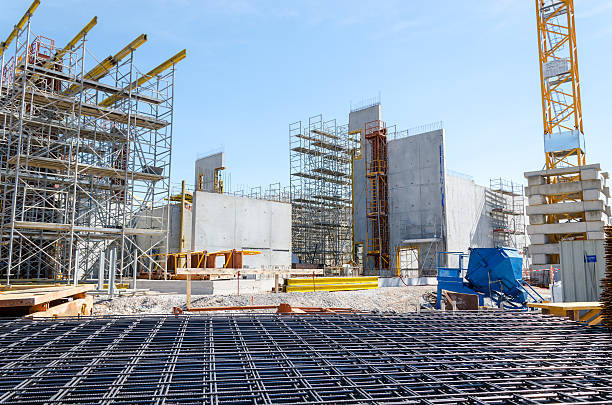
Welcome to the 5th semester of the Bachelor of Engineering course Reinforced Concrete & Masonry Design 315 (RCM 710S). It is a compulsory Civil Engineering course that was designed to enable students acquire appropriate competencies to evaluate and design reinforced concrete and masonry structural members that will be design in accordance with the British Standard/Euro and South Africa Bureau of Standard (SABS) codes of practice

Reinforced concrete is a versatile building material to which the present day’s constructions of buildings, bridges and many other infrastructure projects depend on. The course on Reinforced Concrete Design deals with the structural design of reinforced concrete elements. The content of this course includes the elements design such as beams, slabs, columns, foundation, retaining wall, reinforcement detailing and special types of slabs. Here, the word “design” refers to structural design that involves, the sizing of members like columns, slabs, walls, etc., characterization of materials used, provision of number and/or spacing of reinforcing rods at different salient cross sections, based on strength of the members required and the serviceability limits that the members should pass. The recognized code books at the places of design works govern the design philosophy and procedures to be adopted.
The fundamental objective of the course is to comprehend the design principles based on the philosophy that underpins the code of practice and then to independently perform the design of simple structural elements.
This course forms one of the core courses in the curriculum because a civil engineer needs to work with infrastructural project that involves reinforced concrete structural components and need to know about the cause and effect of loads on a structure or structural component, based on which should ascertain whether the member designed can safely withstand the load applied and be serviceable for the intended period.


This course is designed to enable students to acquire and apply fundamental principles of remote sensing. Students should be able to apply basic methods and techniques for the interpretation of aerial photographs and remotely sensed digital images.
Please enter course description here...
Good day SHP-students. If you want to do self-enrolment and enrol yourself to this course the enrolment key is history Consult the announcement box regularly. Regards N Korrubel (nkorrubel@nust.na)
This course is geared towards equipping current and future managers of SME’s with the skills necessary to become strategic leaders and managers. The course will cover the scope and dynamics of leadership and strategic management; emphasise key concepts and analytical tools to analyse the internal and external business environments; elaborate on how small enterprise strategies are crafted in order to achieve enterprise high performance and assess how strategic execution and alignment are achieved.
This course aims to provide students with appropriate and effective structures for software engineering practices and processes. This will help students to analyse and specify software requirements; look at different "contexts" of technology development or adoption strategies, deployment, and maintenance of software components and systems at the individual, team, and organizational levels.

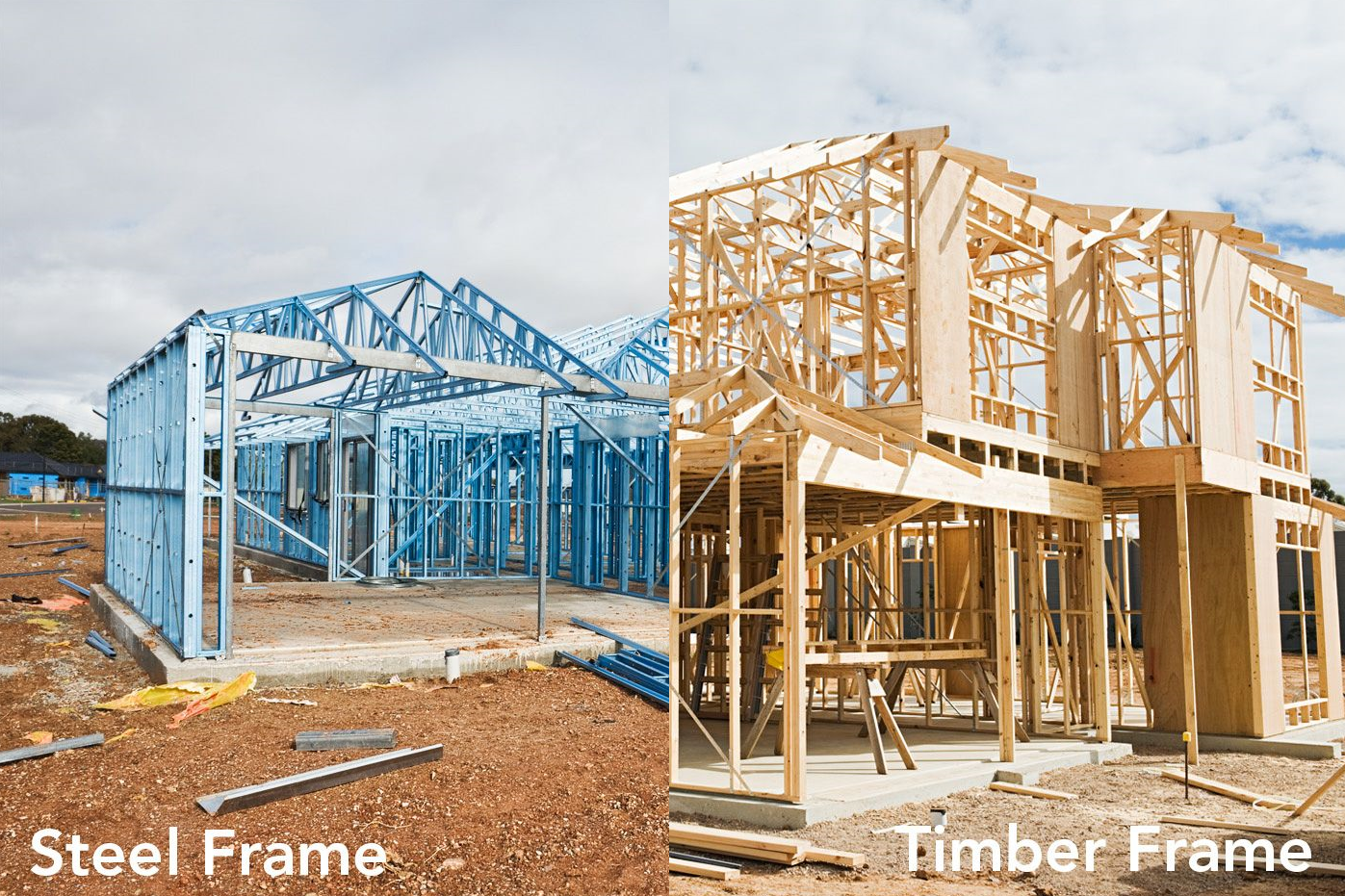
Steel is used for structural applications from the same time as the advent of concrete. While timber is a very primitive construction material as we all know. Steel and timber possess the major advantages such as being lightweight materials than concrete, ability to exercise quality of production at the factory conditions and simple work process involved in construction and erection. Steel is widely used in construction of building frame, bridges, tower for telecommunication and electricity transmission, industrial components like, chimney, silo, bunker etc., and water and other liquid storage tanks also. Timber is a primitive structural material, used for building frames, roof supporting structures, small bridges, farm structures, etc. Timber buildings with all the members and components being that of timber are also constructed. Hence, in the civil engineering degree program, design of steel and timber structures is a core course in which the students are trained to perform structural design of steel and timber components subjected to different types of loads and stress resultants. For the steel and timber structural frame, unlike concrete, the joints cannot be highly rigid and monolithic. Hence structural connections are of unique importance to be designed for any steel and timber structural frame. There are standard cross sectional sizes and shapes of steel members used as beams and columns. Likewise, there are standard dimensions, thickness and shapes of steel sheet materials used for roofs, platforms, and floors. Timber members are generally cut to the required/designed shapes mostly rectangular, square, or circular cross sections. Code books stipulate the design procedures to be adopted for the structural design of components and structures.
Course Objective
To introduce and apply basic design principles and characteristics of steel and timber and thus to enable students to perform structural design of steel and timber structural components according to recognized design code.